In the operation of a sewage treatment plant, it often includes tests during the trial operation phase, process control during normal operation, and various inspections during the operation process. So, what are the key points of control?
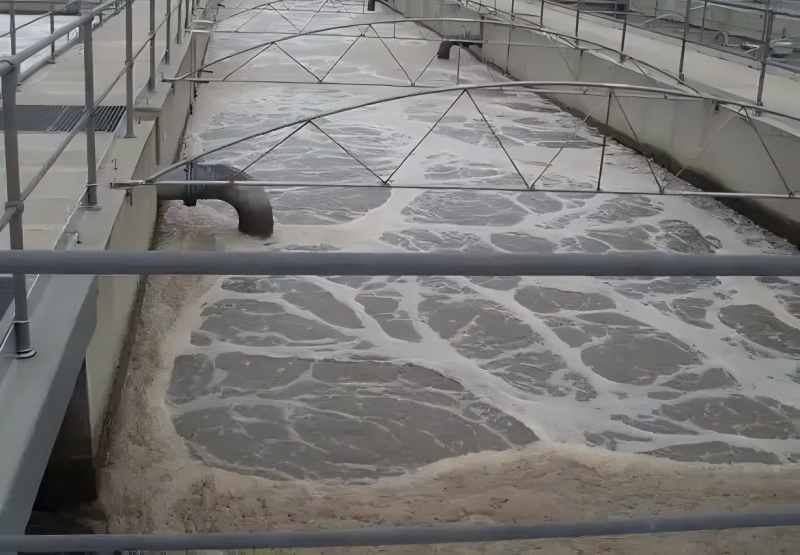
01 Trial Operation Phase
The purpose of the trial operation of the activated sludge process is to test the operation of various equipment in the sewage treatment plant and to determine the optimal operating parameters, which plays a very important guiding role for future normal operations. During the trial operation, parameters that need to be controlled include MLSS (sludge concentration), air supply, influent flow, return sludge flow, and excess sludge discharge. These parameters are combined into several operating conditions, and trial operations are conducted in phases to observe the effluent quality and determine the optimal operating parameters.
02 Normal Operation of Process Parameter Control
After the trial operation ends, the activated sludge system generally enters the normal operation phase. This phase mainly involves controlling the aeration rate, the amount of returned sludge, the amount of excess sludge discharged, and monitoring key parameters.
(1) The adjustment of the aeration rate can be controlled according to the theoretical aeration rate, the trial operation aeration rate, or the ratio to the influent flow. The dissolved oxygen value at the end of the aeration tank is optimal at 2–4 mg/L. At the same time, it is necessary to meet the mixing requirements throughout the aeration tank, ensuring uniform aeration without dead zones. Inspect the surface and bottom of the aeration tank for uneven aeration. Generally, operators are required to check twice a day and make appropriate adjustments.
(2) The adjustment of returned sludge and excess sludge aims to maintain a relatively stable sludge concentration. Measure the MLSS (mixed liquor suspended solids) value. When the sludge concentration is low, increase the return sludge flow and reduce the excess sludge discharge. When the sludge concentration is high, reduce the return sludge flow and increase the discharge of excess sludge to achieve the optimal sludge concentration for maximum organic matter removal efficiency.
(3) During operation, regular monitoring of the influent and effluent is required to calculate the removal rates of organic matter and nitrogen. Additionally, tests such as sludge settling ratio, sludge concentration, and microscopic examination of activated sludge should be performed to observe the sludge status more intuitively and to promptly prevent phenomena like sludge bulking, sludge disintegration, or sludge flotation.